You’re halfway through a routine shift when you notice it — your client takes the stairs a little slower than last week, pauses at the top a beat longer than usual. Nothing dramatic. No chest clutching, no gasping. Just a small shift from the baseline you’ve come to know. New caregivers might not catch it at all. Experienced ones do, because they’ve learned that heart health for seniors often shows up as subtle, gradual changes in stamina, breathing, swelling, pulse, or recovery time — not a single obvious sign, and not a single reading that tells the whole story. According to the CDC, heart disease remains the leading cause of death among older adults in the U.S. — which is exactly why the caregivers who notice the small stuff early matter so much.
At Amazing Grace Home Care, caregivers working with clients who have heart conditions in Cincinnati, OH and Columbus, OH, Huber Heights and Dayton aren’t expected to diagnose anything. What you’re expected to do — and what separates a good caregiver from a great one — is observe, document, and report clearly enough that the people who do diagnose have something useful to work with.
What Cardiac Observation Looks Like in Home Care
Cardiac observation in a home care setting isn’t clinical monitoring. It’s pattern recognition built from repeated visits. You’re not running tests. You’re noticing whether the client who used to finish a sentence without stopping to catch their breath now pauses partway through.
This kind of observation depends on familiarity — one essential reason consistent caregiver assignments matter so much for clients living with heart conditions. As you begin building a baseline with a client, you develop real confidence in what you’re seeing, week in and week out.
Caregiver Tips for Heart Health — The Subtle Changes That Often Show Up Before the Numbers Do
Here’s something you won’t find in a textbook: research on older adults with heart-related emergencies shows classic chest pain often isn’t the presenting symptom at all. A 2025 study analyzing emergency department visits found that nearly half of older adults later diagnosed with acute coronary syndrome had shown up with symptoms like fatigue, dizziness, nausea, or general weakness — not chest pain.
That lines up with what caregivers see in the field. A few practical habits that experienced caregivers rely on to improve what they catch:
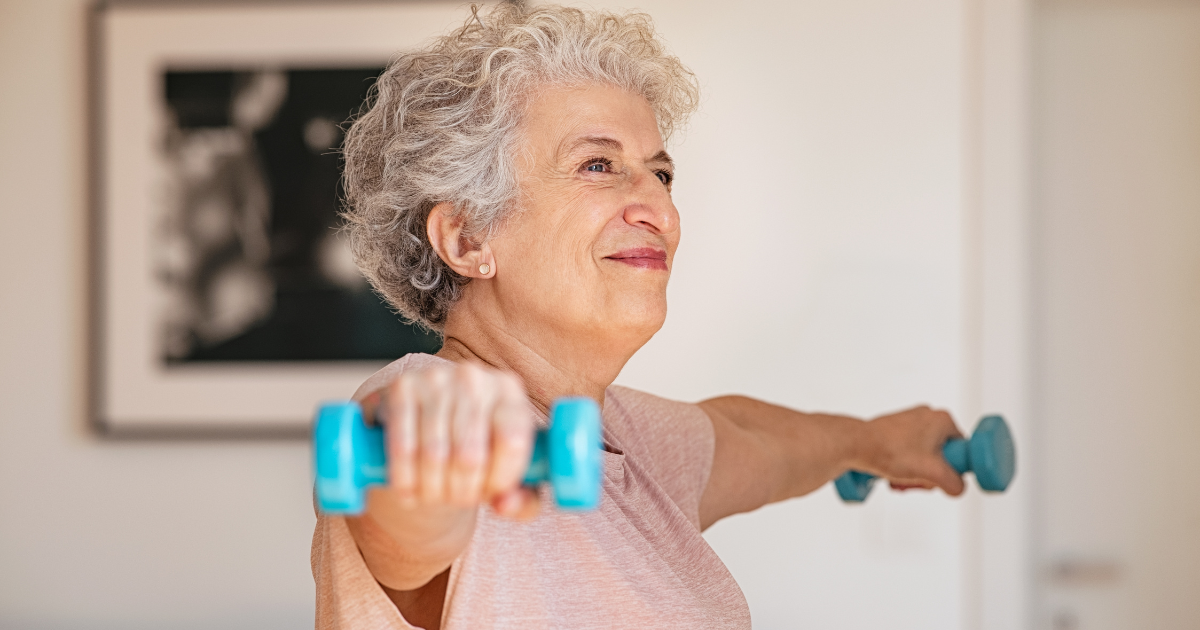
Notice changes in routine, not just symptoms. Regular physical activity is essential for heart health in older adults, so a client skipping their usual afternoon walk, eating less than normal, or seeming unusually quiet can be worth flagging even without an obvious physical sign.
Pay attention to end-of-day patterns. Swelling, fatigue, and breathlessness often build gradually through the day rather than appearing all at once — checking in at different points during a shift catches more than a single glance. Sleep quality is also worth noticing, since it affects cardiovascular health.
Ask, don’t assume. A client who says they feel “off” is giving you real information, even if they can’t describe it clinically. Take it seriously enough to note it. Chronic stress can affect heart function over time, so reports of feeling overwhelmed or persistently tense should be documented.
None of these are dramatic enough to call 911 over on their own, but together, over time, they build a picture that a nurse, family member, or physician might not otherwise see. This is where your role goes beyond task completion. You’re often the person who notices first, simply because you’re there consistently and the clinical team isn’t. It’s worth noting that conditions like diabetes can substantially raises cardiovascular risk in seniors.
Caregiver Documentation — Building the Picture a Single Visit Can’t
Good documentation is what turns “something felt different today” into something a nurse or family member can actually act on. Vague notes like “client seemed tired” are easy to write and hard to use. Specific notes create a clearer picture — what time, what activity, how long it lasted, whether it’s happened before. Caregivers should also note intake patterns that affect heart health, since minimizing sodium can help manage blood pressure and hydration supports cardiovascular function. If meal patterns are part of the care plan, heart-smart diets focus on vegetables, fruits, whole grains, and lean proteins, and healthy eating plus exercise can help manage heart-related problems.
A few habits worth building, as a standard practice:
Write down the baseline, not just the exceptions. Note how a client typically looks and moves so a change actually stands out in your records later.
Log timing alongside symptoms. “Short of breath after climbing stairs at 2pm” is more useful than “seemed breathless.”
Follow up on patterns, not just single incidents. If something you noticed on Monday shows up again on Wednesday, say so explicitly. In addition to noting the event itself, note that it’s happened before — a repeated observation carries more weight than an isolated one.
Documentation isn’t paperwork for paperwork’s sake. It’s often the thread that connects what you saw on a Tuesday to what a doctor decides on a Friday. Family caregivers do well to gather key caregiving documents for their loved one for any medical follow-up necessary.
When to Escalate: Recognizing Signs That Need Immediate Attention
Some signs don’t wait for documentation — they need immediate action. Sudden chest pain or pressure, sudden shortness of breath at rest, fainting, or a rapid and irregular heartbeat that’s new for the client all warrant calling 911 right away, per your agency’s emergency protocols. Your job in these moments isn’t to determine what’s happening medically — it’s to recognize that something is wrong enough to act. Acting quickly protects the client.
For everything short of an emergency — the slower stair climb, the swelling that wasn’t there last week — the job is to observe it, document it clearly, and report it through the right channel so someone qualified can evaluate it.
Caregiver Career Development — Growing Your Skills at Amazing Grace Home Care
Caregivers who develop a sharp eye for these patterns become genuinely valuable to the clients and families they work with — and to the clinical teams coordinating care around them, since targeted lifestyle habits can significantly impact cardiovascular health in seniors. It’s a skill that grows with experience and directly improves the quality of care clients receive while helping older adults preserve independence.
It’s exactly the kind of professional growth Amazing Grace Home Care invests in through ongoing training, mentorship, and consistent client assignments across Cincinnati, OH and Columbus, OH, Huber Heights and Dayton. Caregivers who show this level of attentiveness are able to support families, spouses, or take on more complex long term clients over time as part of the work they do in daily life.
If you’re a new or experienced caregiver ready to explore a role where your observations are valued, your documentation actually gets read, and your next step in this career is supported, we’d like to hear from you. Amazing Grace Home Care offers services including Alzheimer’s and Dementia Care, Light Housekeeping, Medication Supervision, Personal Care & Companionship, Respite Care, Family Caregiving, Transitional Care and Veteran Care and ongoing support for caregivers working with clients managing chronic health conditions. Apply today to learn more about joining our team.